Comparison of Pain Scale, Hemodynamics, and Side Effects of Percutaneous and Intravenous Fentanyl in Post Sectio Caesaria Patients at Bunda Hospital
DOI:
https://doi.org/10.33084/bjop.v5i1.2876Keywords:
Fentanyl, Sectio Caesaria, Pain Scale, Side Effect, HemodynamicsAbstract
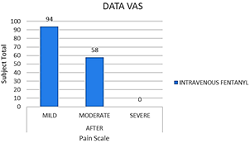
This is novel research about comparison pain scale, hemodynamics, and side effects of percutaneous and intravenous fentanyl in post sectio cesarean patients. Sectio cesarean is a method of delivering a fetus through an incision in the abdominal wall (laparotomy) and the uterus wall. This method induces pain in the incision, so patients feel complicated or afraid to mobilize. Fentanyl is one of the opioid analgesics, which is the main choice in section caesarian surgery because safe for breastfeeding, is more potent than morphine, and acts as balanced anesthesia—comparing the use of percutaneous fentanyl with intravenous fentanyl with pain scale parameters, hemodynamics, and side effects in sectio caesarian patients at Bunda Mother and Child Hospital Jakarta. Before conducting this research, an observational study first makes an ethical approval. Data were taken prospectively and collected simultaneously to compare percutaneous and intravenous fentanyl performed on post sectio cesarean patients with the physical status of the American Society of Anesthesiologists (ASA) I–II at Bunda Mother and Child Hospital Jakarta from September to November 2020. Comparative data observed were pain scale parameters, hemodynamics, and side effects after percutaneous fentanyl therapy or intravenous fentanyl therapy. Data were processed using SPSS 22 version and Microsoft Excell 2016. In conclusion, intravenous fentanyl is more effective in reducing pain scale and has more minor side effects than percutaneous fentanyl. There is no significant difference in hemodynamic parameters (p-value >0.05).
Downloads
Published
Issue
Section
Categories
License
Copyright (c) 2022 Annisa`'a Nurillah Moesthafa, Achmad Riviq Said, Ros Sumarny, Yati Sumiyati

This work is licensed under a Creative Commons Attribution-ShareAlike 4.0 International License.
This work is licensed under a Creative Commons Attribution-ShareAlike 4.0 International License.
Authors continue to retain the copyright to the article if the article is published in the Borneo Journal of Pharmacy. They will also retain the publishing rights to the article without any restrictions.
Authors who publish in this journal agree to the following terms:
- Any article on the copyright is retained by the author(s).
- The author grants the journal the right of first publication with the work simultaneously licensed under a Creative Commons Attribution License that allows others to share work with an acknowledgment of the work authors and initial publications in this journal.
- Authors can enter into separate, additional contractual arrangements for the non-exclusive distribution of published articles (e.g., post-institutional repository) or publish them in a book, with acknowledgment of their initial publication in this journal.
- Authors are permitted and encouraged to post their work online (e.g., in institutional repositories or on their websites) prior to and during the submission process. This can lead to productive exchanges and earlier and greater citations of published work.
- The article and any associated published material are distributed under the Creative Commons Attribution-ShareAlike 4.0 International License.